Quant firms guard hand-built signals and race each other in microseconds. attimet, founded by two ex-Optiver quants, raised a $10M seed to try something else: temporal AI models that learn the options market by trading it live.
Object storage is where data lives, but software still expects files. Archil mounts an S3 bucket as a fast local disk, and after an $11M Series A it is making that filesystem the way AI agents touch data.
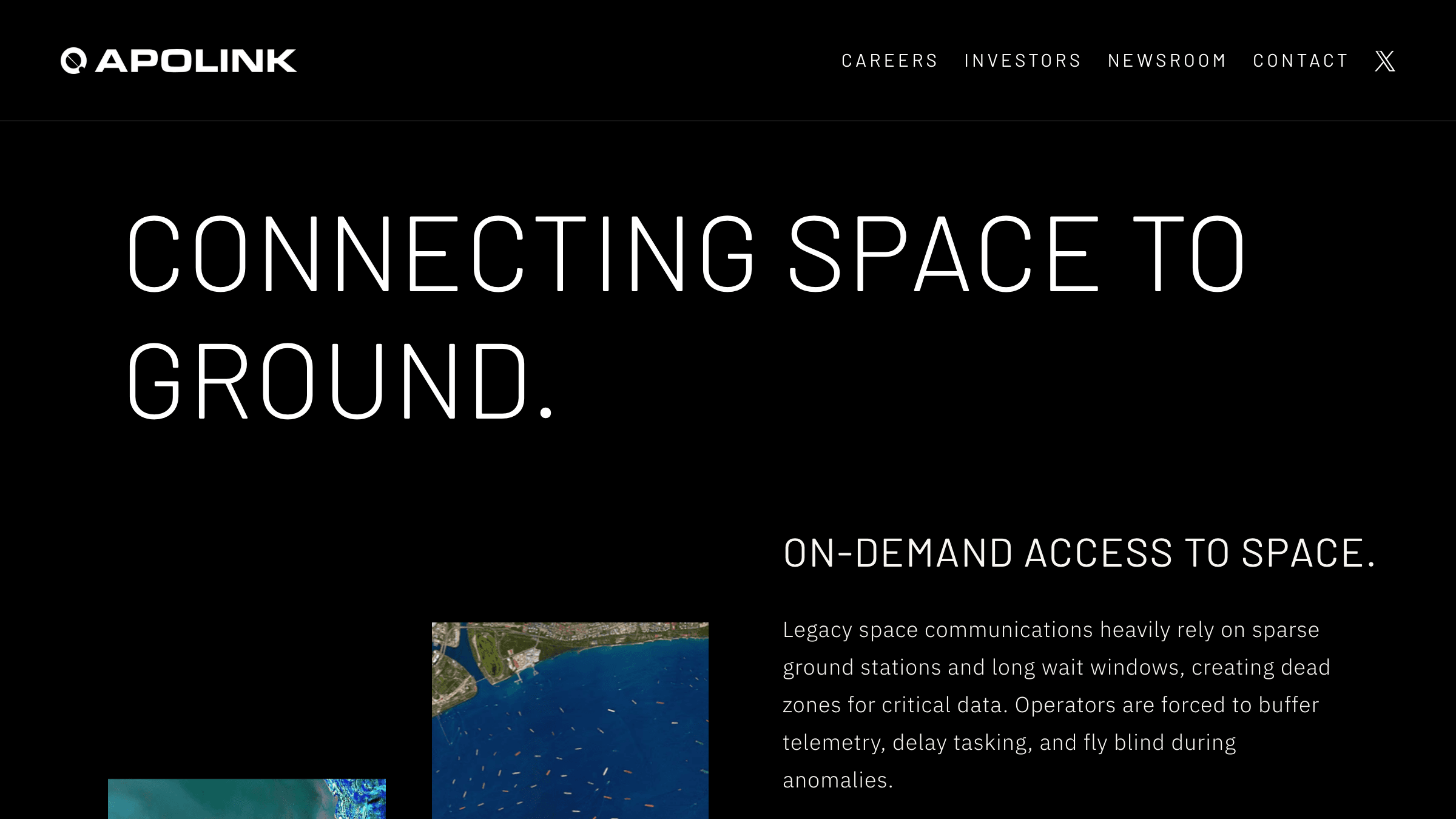
Satellites in low Earth orbit spend most of every orbit out of contact with the ground. Apolink raised $4.3M to build a relay network that keeps them connected around the clock, and its first demo satellite is already in orbit.
Most voice AI agents plateau after launch and wait for a human to retune them. Leaping AI builds agents that analyze their own calls and fix themselves, and customers like Hawesko now resolve 70% of support calls without a human on the line.
Vibe-coded apps usually die the moment they need real company data. Vybe generates internal apps that plug into Postgres, Salesforce, and Jira behind a security layer the AI is not allowed to modify. First Round Capital led its $10M seed.
Every AI startup ends up rebuilding the same billing machinery on top of Stripe. Autumn packs that machinery into an open-source layer you call with three functions: attach, check, and track.
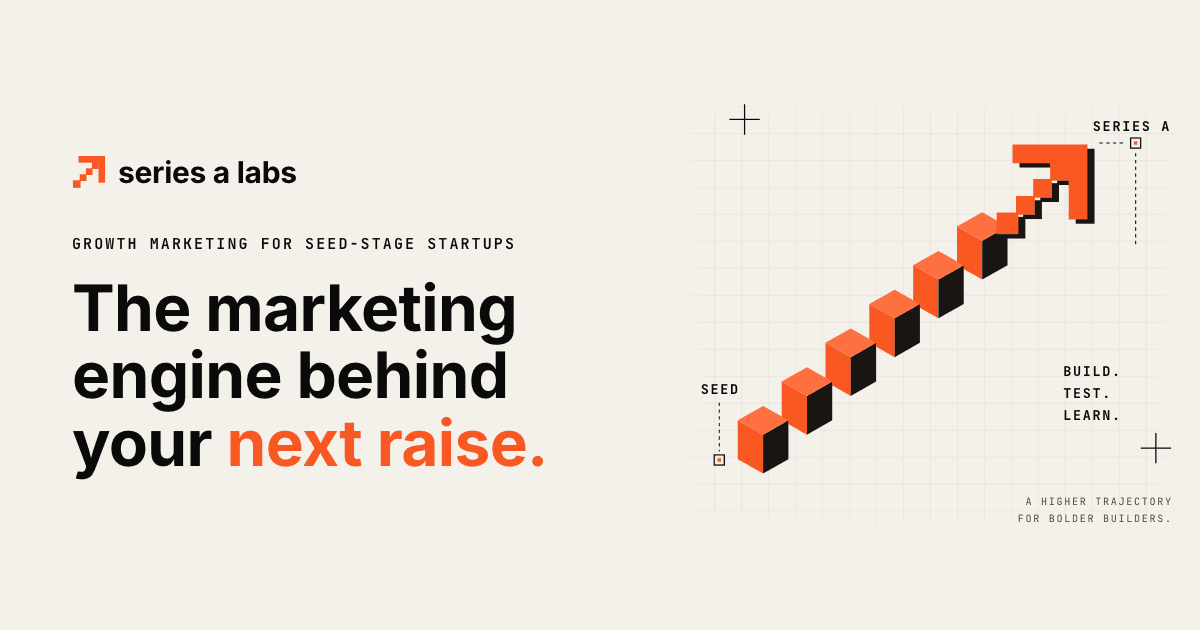
The gap between a seed round and a Series A is not a product gap. It is a repeatability gap. Series A Labs runs tightly scoped marketing experiments for seed-stage startups until the growth story writes itself.
Object storage made keeping a file trivial. S2 is doing the same for streams: a serverless API where durable, real-time streams come in unlimited numbers and you pay for what you use. It hit general availability this year on a $3.85M seed led by Accel.
Voice agents stall when every lookup has to cross the network. Moss packages the search index into the app itself, so retrieval returns in about 3ms instead of 400. It was built by two engineers who spent years making Microsoft and Grammarly software fast.
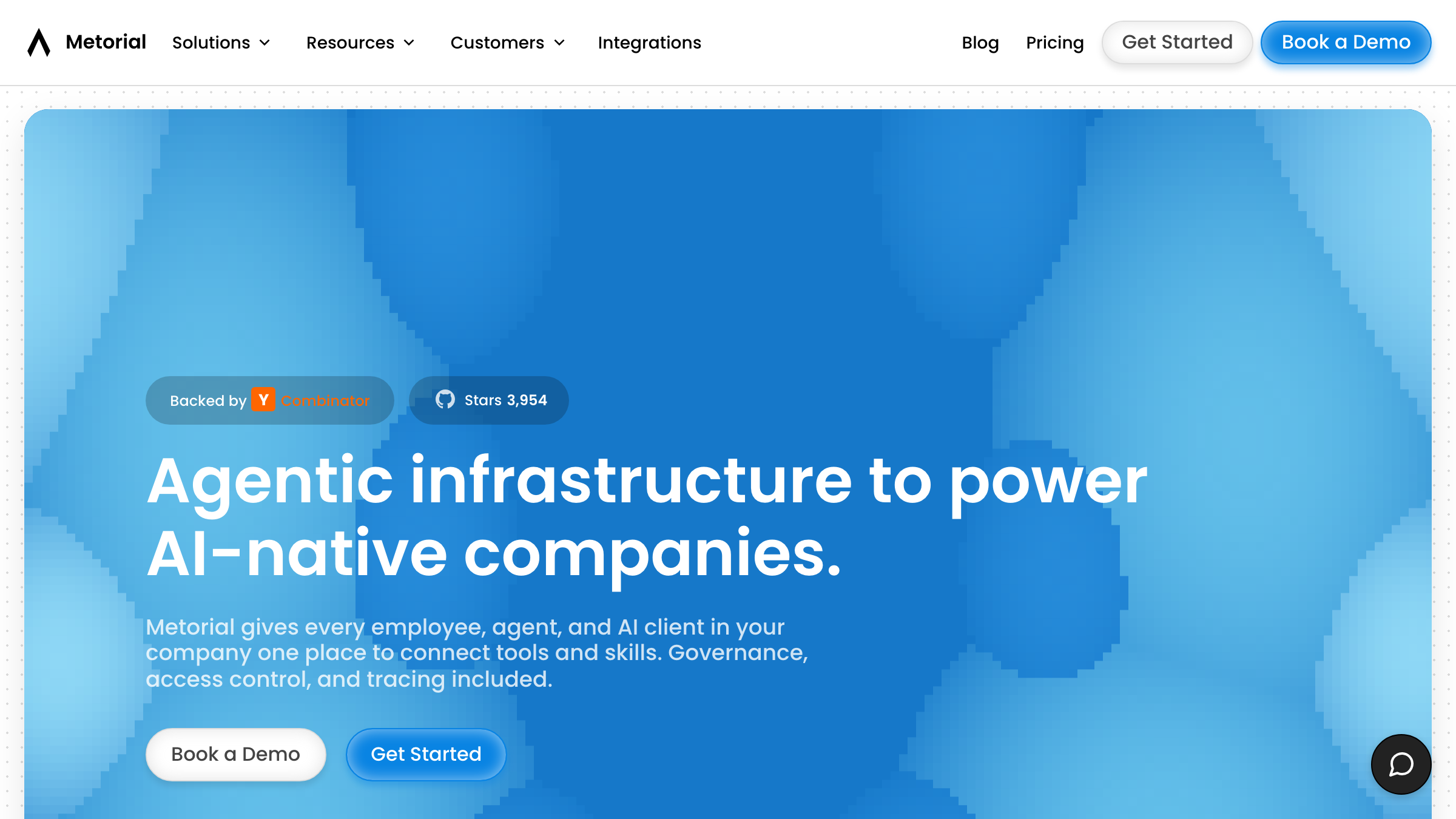
Every production AI agent needs the same plumbing: hosting, OAuth, and monitoring for the tools it calls. Metorial wraps 600+ MCP integrations in a serverless platform so connecting an agent to Slack or Salesforce is a function call, not a project.
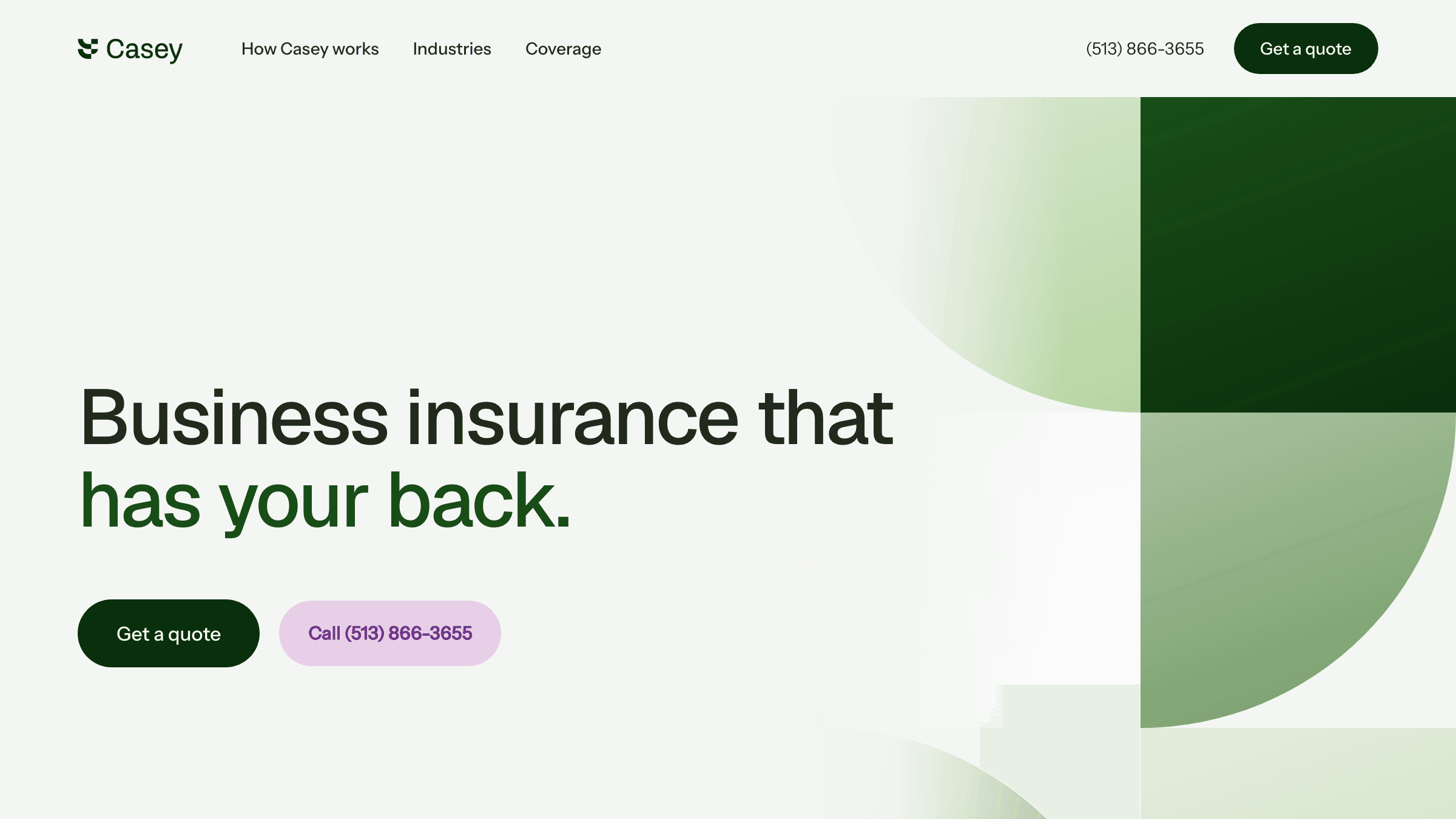
Commercial insurance brokers spend half their day retyping the same client data into PDFs, portals, and carrier forms. Casey ingests that data once, assembles carrier-ready submission packages, and puts AI agents on the underwriting follow-ups.
Satellite internet mostly means buying from one American company. Exosat designs satellites with zero export-controlled parts so the rest of the world can build, launch, and run constellations it actually controls.
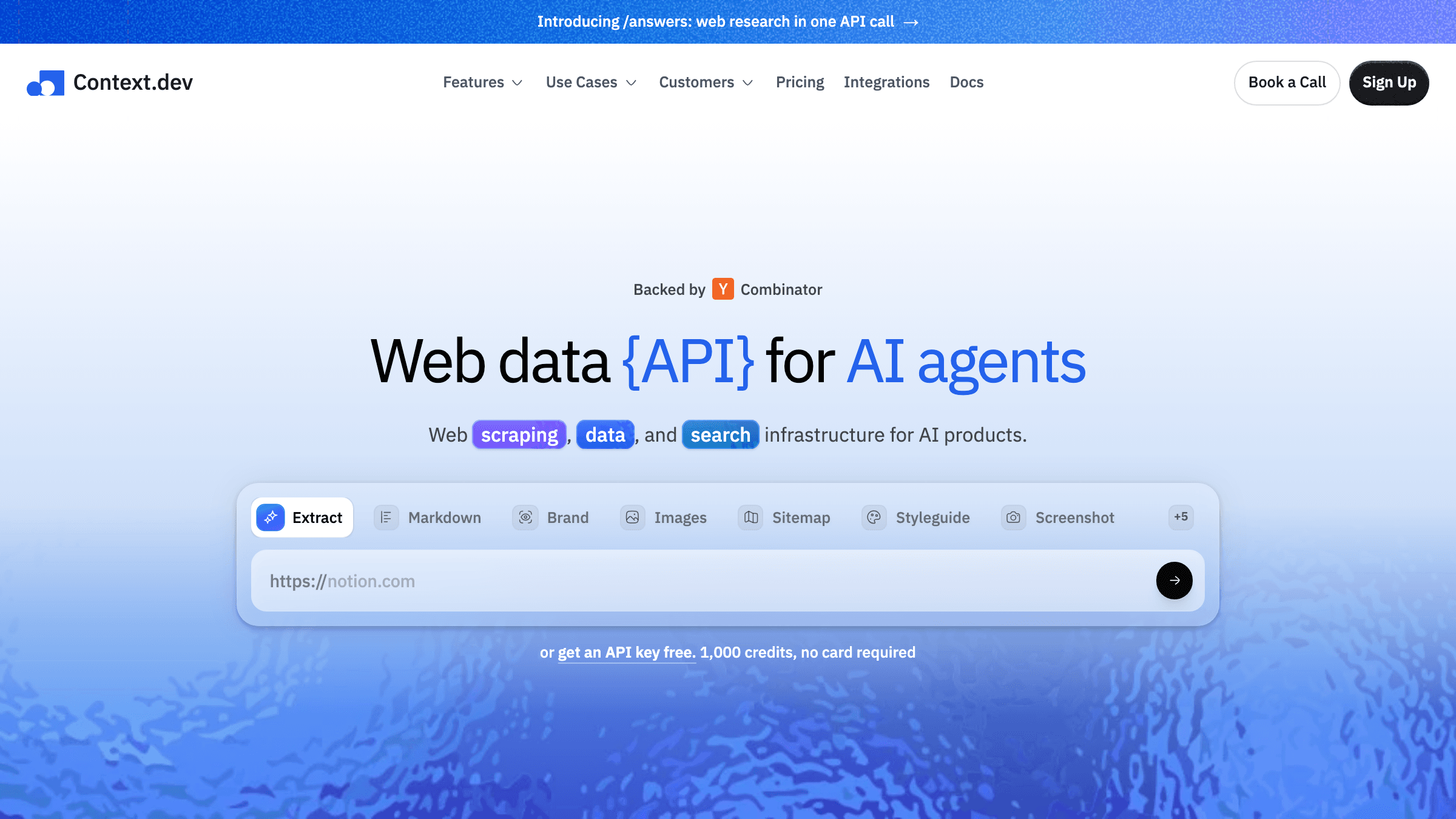
Teams building AI products keep rebuilding the same web-data stack: browsers, proxies, parsers, caches, retries. Context.dev wraps all of it in one API that returns clean markdown, screenshots, brand data, or JSON in your schema.
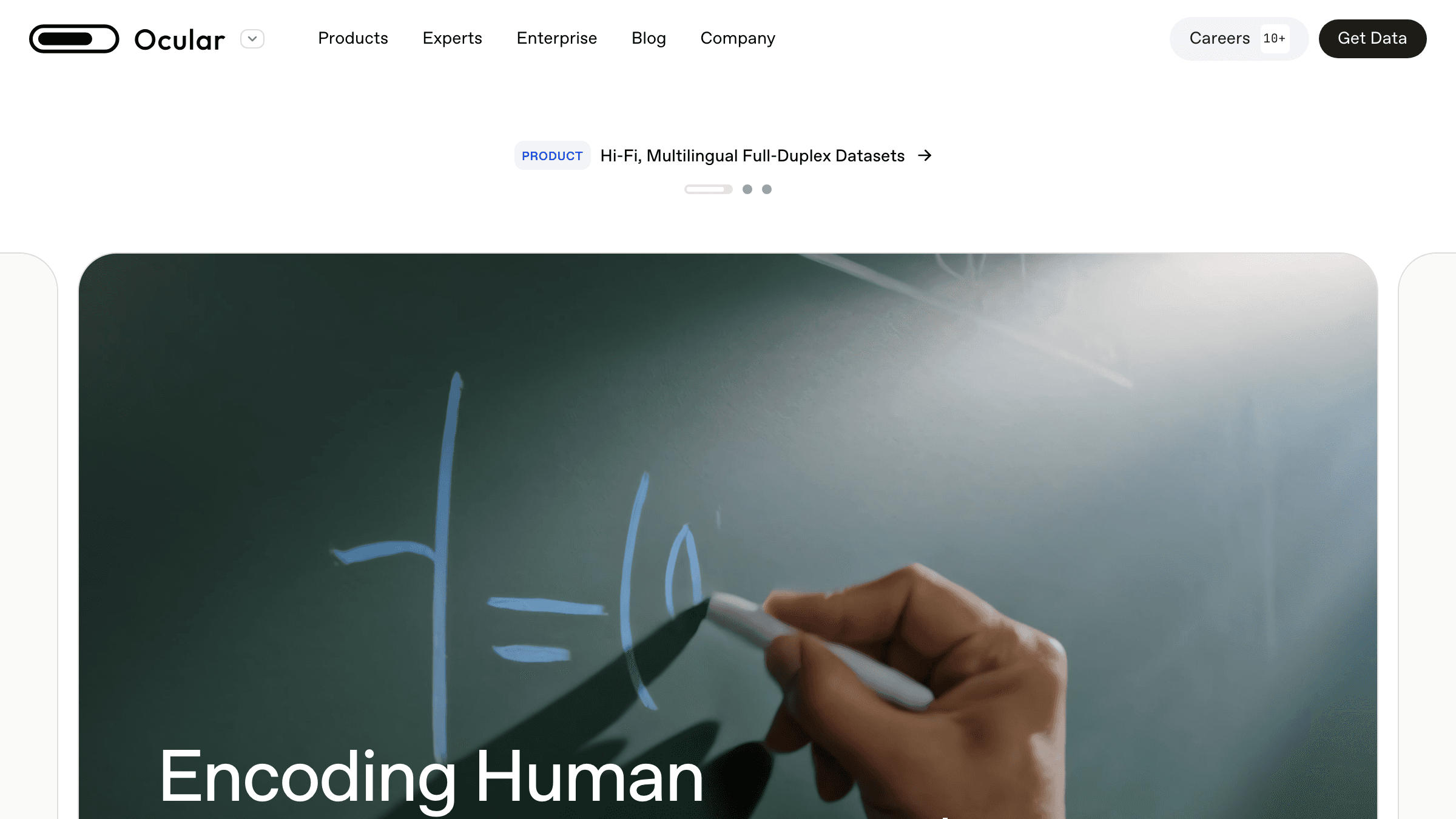
The scraped web got frontier models this far, but the expertise they need next was never posted online. Ocular AI recruits vetted experts, records what they know in structured sessions, and turns it into training data, starting with voice.
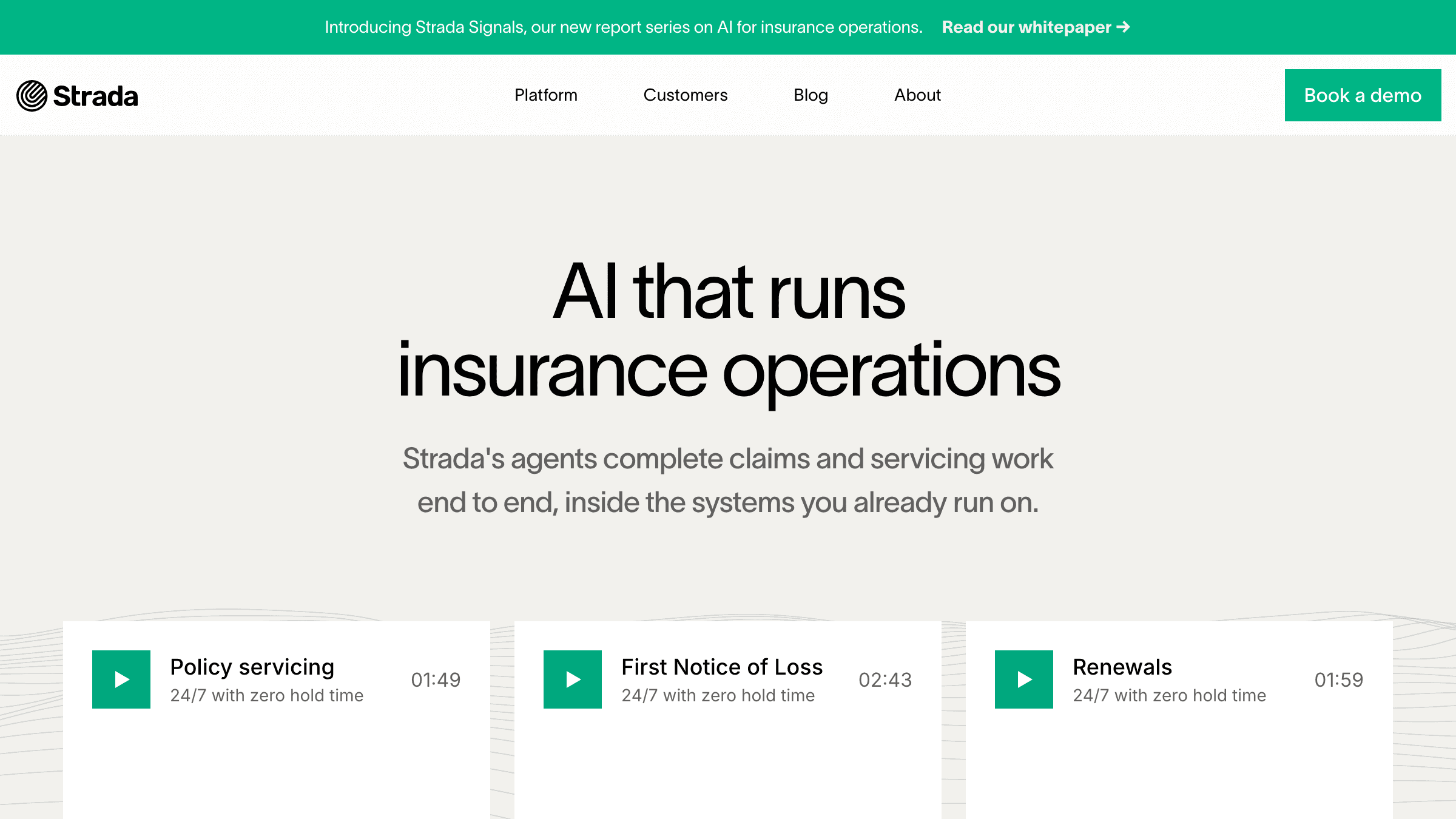
Insurance still runs on phone calls, but most of the work happens after someone hangs up: updating the policy system, filing the claim, sending the follow-up. Strada builds AI agents that handle the call and the paperwork behind it, for carriers, MGAs, and brokers.
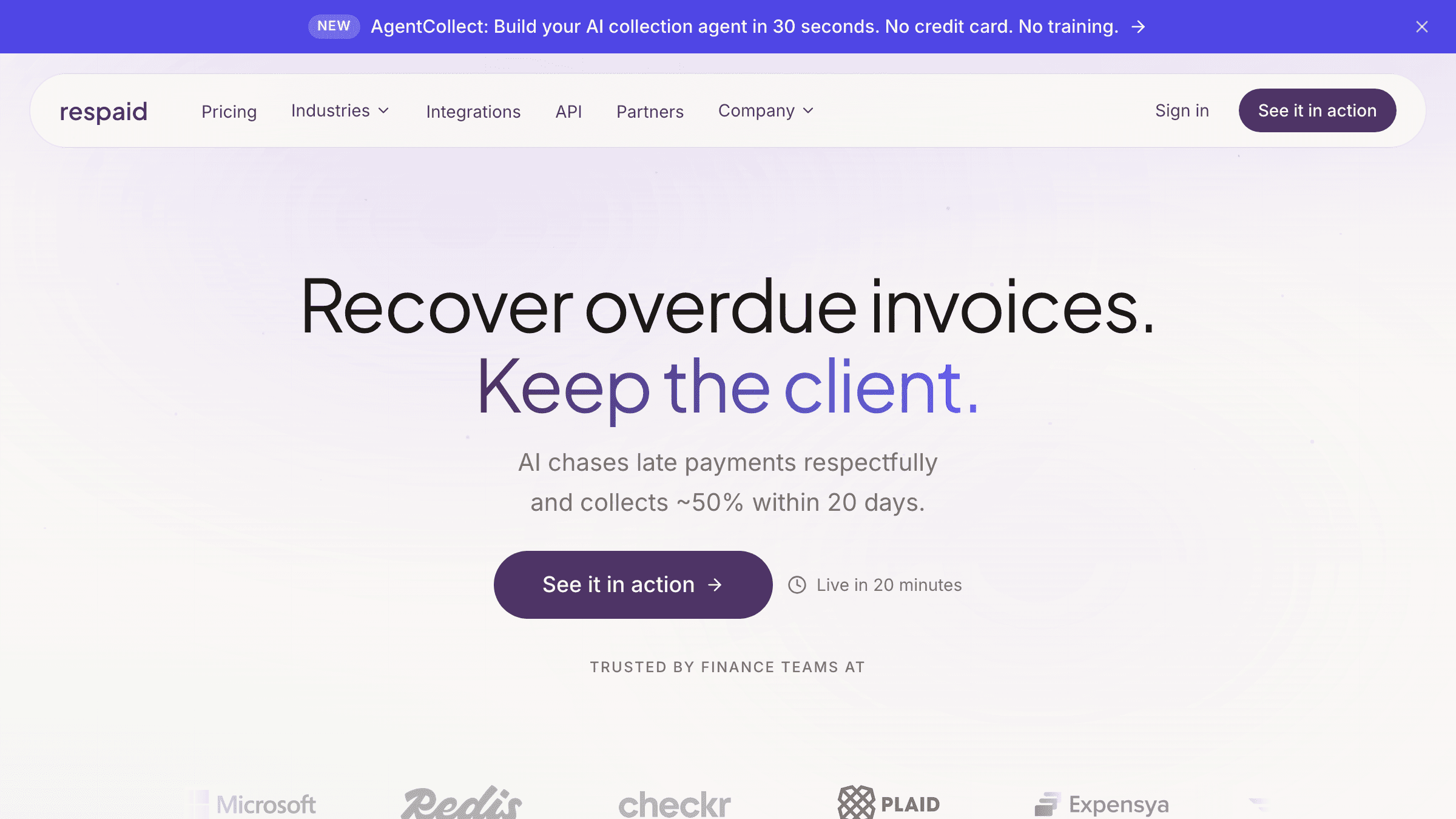
Traditional debt collection recovers a fraction of what's owed and often wrecks the customer relationship doing it. Respaid pairs a real lawyer with AI that picks the timing, message, and channel, and reports collecting half of overdue invoices within twenty days.
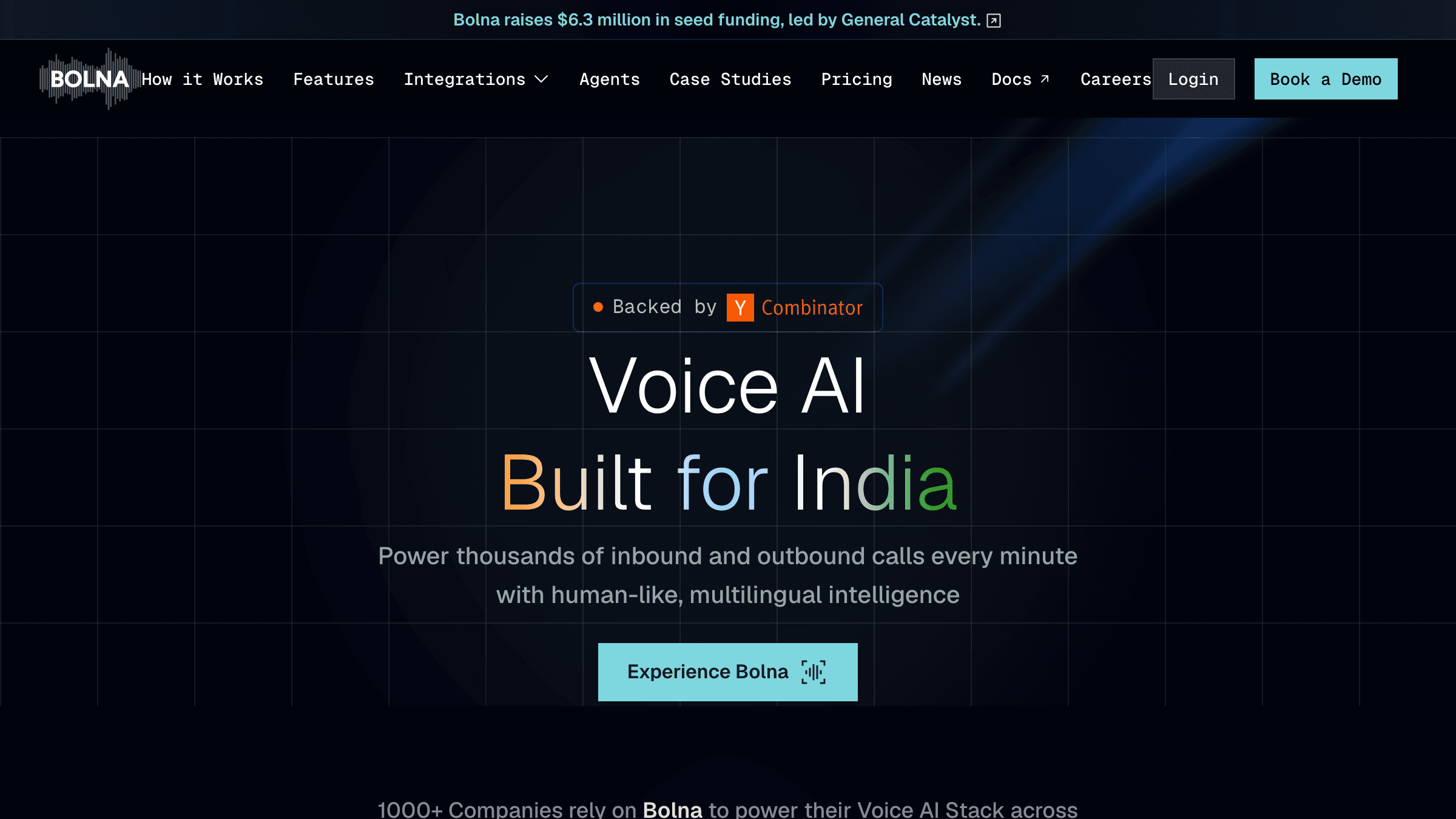
India handles more than a billion voice calls a day, most of them in languages other than English and on legacy phone systems. Bolna is building a voice AI orchestration platform for that reality, and it started as open source.
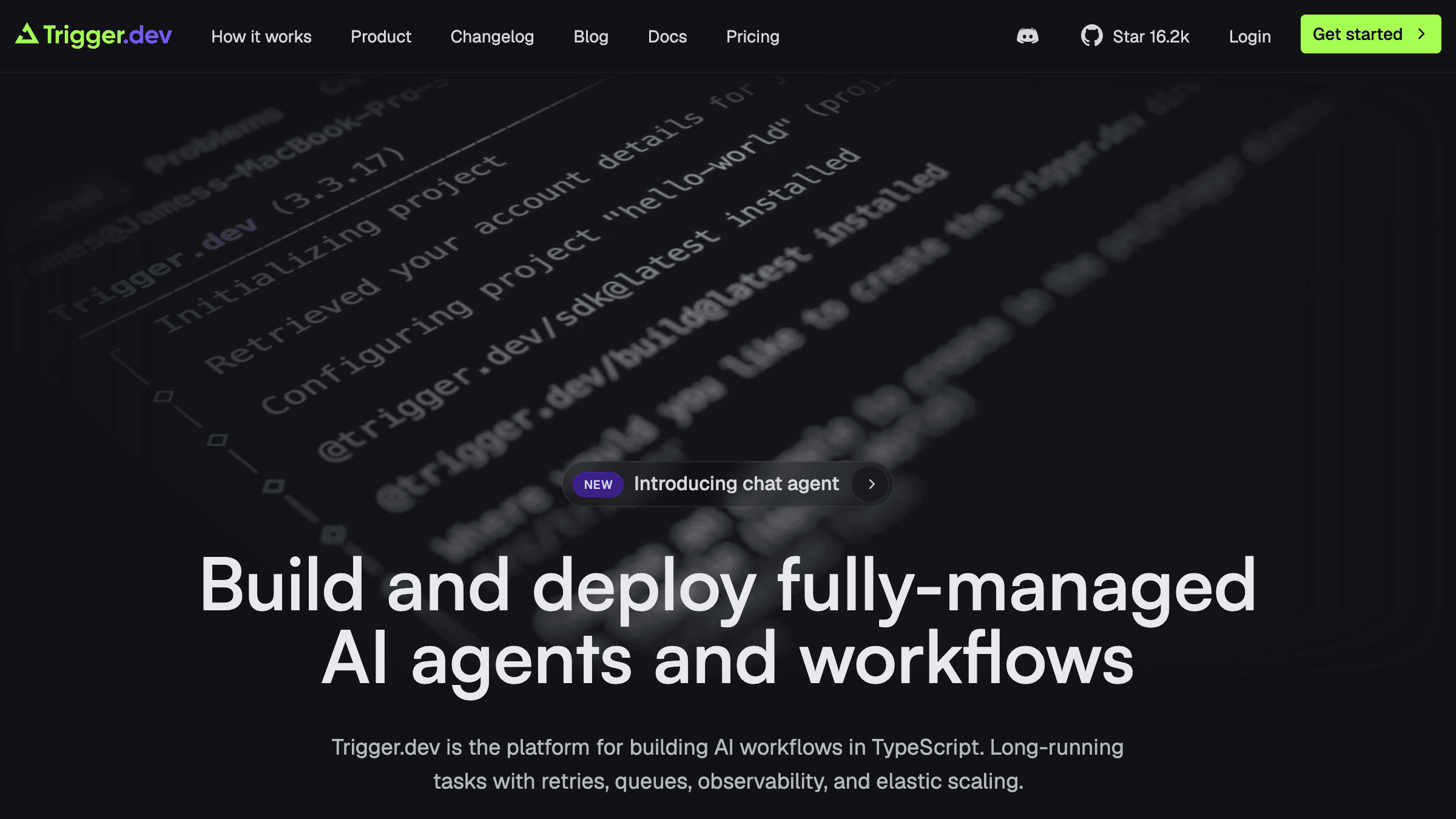
AI agents are long, expensive, and prone to failing halfway through. Trigger.dev treats them as what they are, durable background jobs, and gives TypeScript developers retries, queues, and checkpointing so a task can run for hours and survive a crash.
MCP made it easy to plug an AI agent into Slack, Jira, and your database. It did not make any of that searchable. Airweave is the open-source layer that lets an agent actually find the right ticket, file, or record across every app a company uses.
Most support AI is good at answering questions and useless at finishing the job. Parahelp runs a team of agents that resolve complex tickets end to end inside a company's real tools, and it prices by the resolution rather than the seat.
Most attempts to make nuclear smaller throw out the whole design and start over with new fuel and a new licensing fight. Apollo Atomics kept the pressurized water reactor that already runs most of the world's plants and rebuilt only the steam generator, which is enough to turn a decade-long build into a reactor that ships on a truck.
Every customer call and Slack thread creates follow-up work that usually lives in one person's head until it gets forgotten. Akkari captures those commitments across a company's channels and does the work to close them, from the first sales call through expansion.
Self-funded employers pay millions in medical claims a year and rarely check them closely. TrueClaim is an AI-run third-party administrator that adjudicates 100% of claims and says it can cut costs at least 7% without changing anyone's benefits.
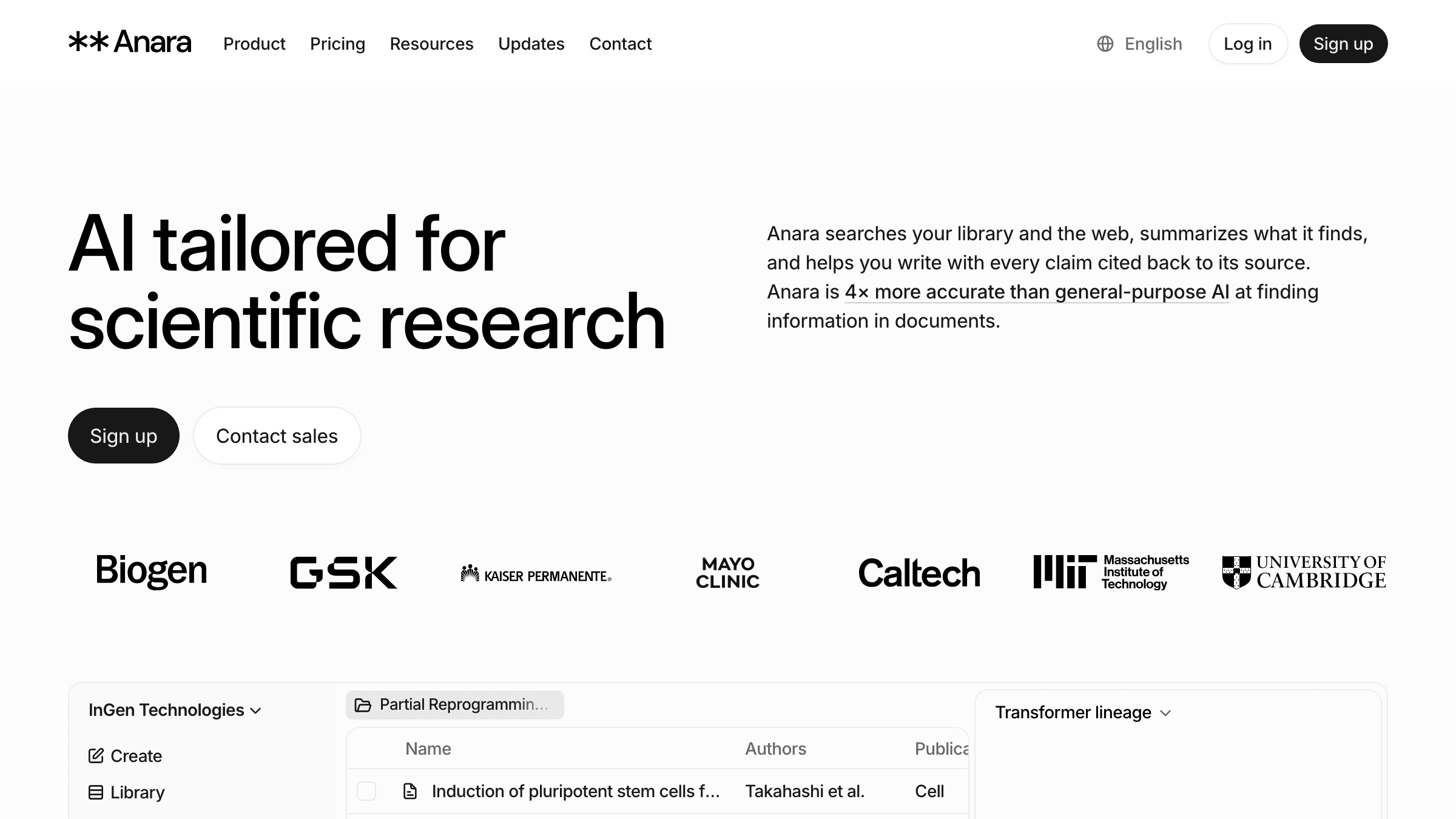
General-purpose chatbots confidently invent citations, which makes them dangerous for serious research. Anara takes the opposite bet: every answer is grounded in your own sources and linked back to the exact page. More than three million researchers now use it.
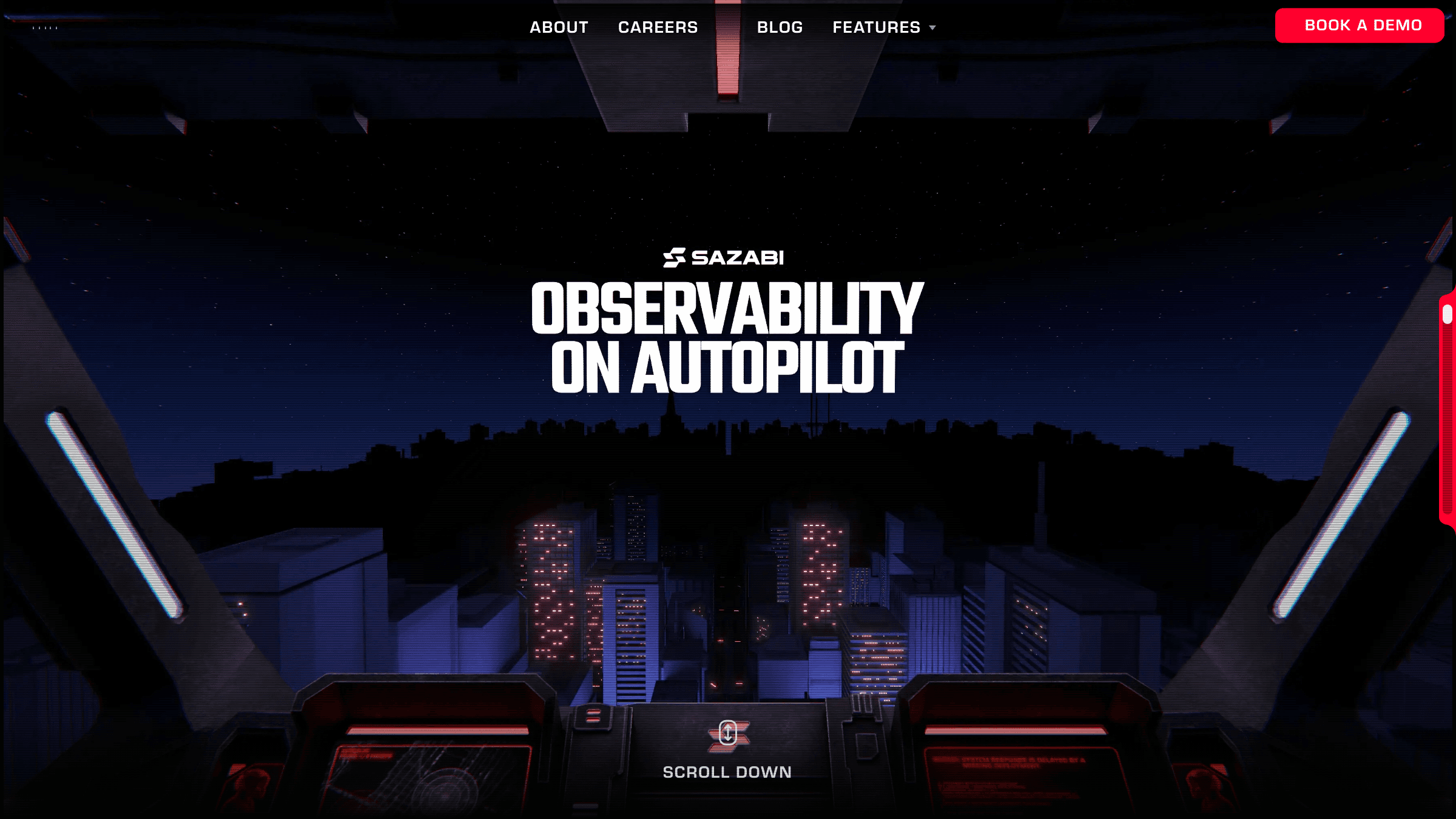
AI agents now ship code faster than any team can review it, and production systems change continuously as a result. Sazabi is an AI-native observability platform built for that world—one that treats logs as the single source of truth and puts autonomous agents to work detecting, investigating, and fixing issues.
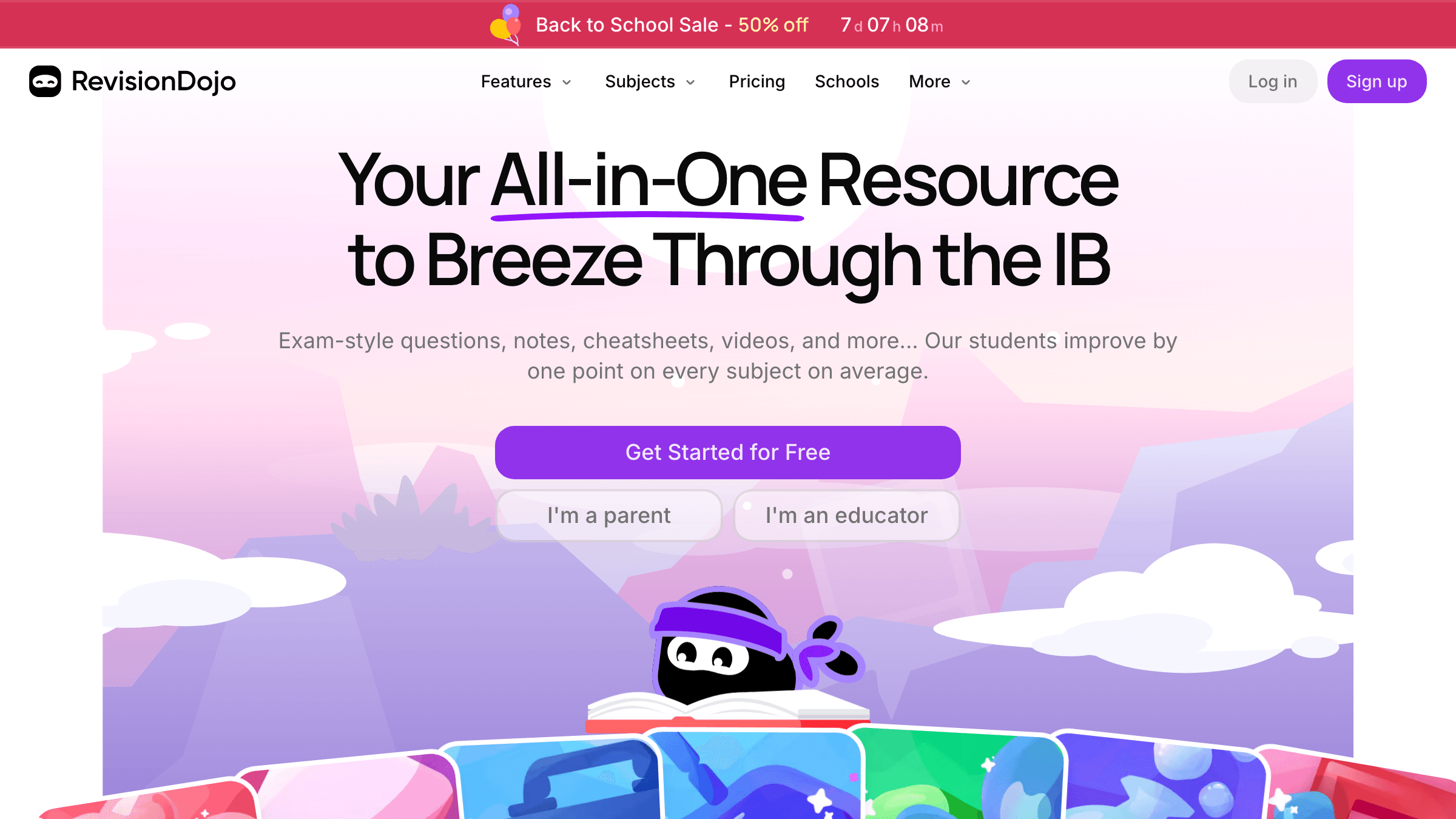
Private tutoring is expensive, uneven, and out of reach for most students. RevisionDojo is building an AI study partner grounded in the actual curriculum and examiner mark schemes—and it says 350,000+ students across 180+ countries are already using it.
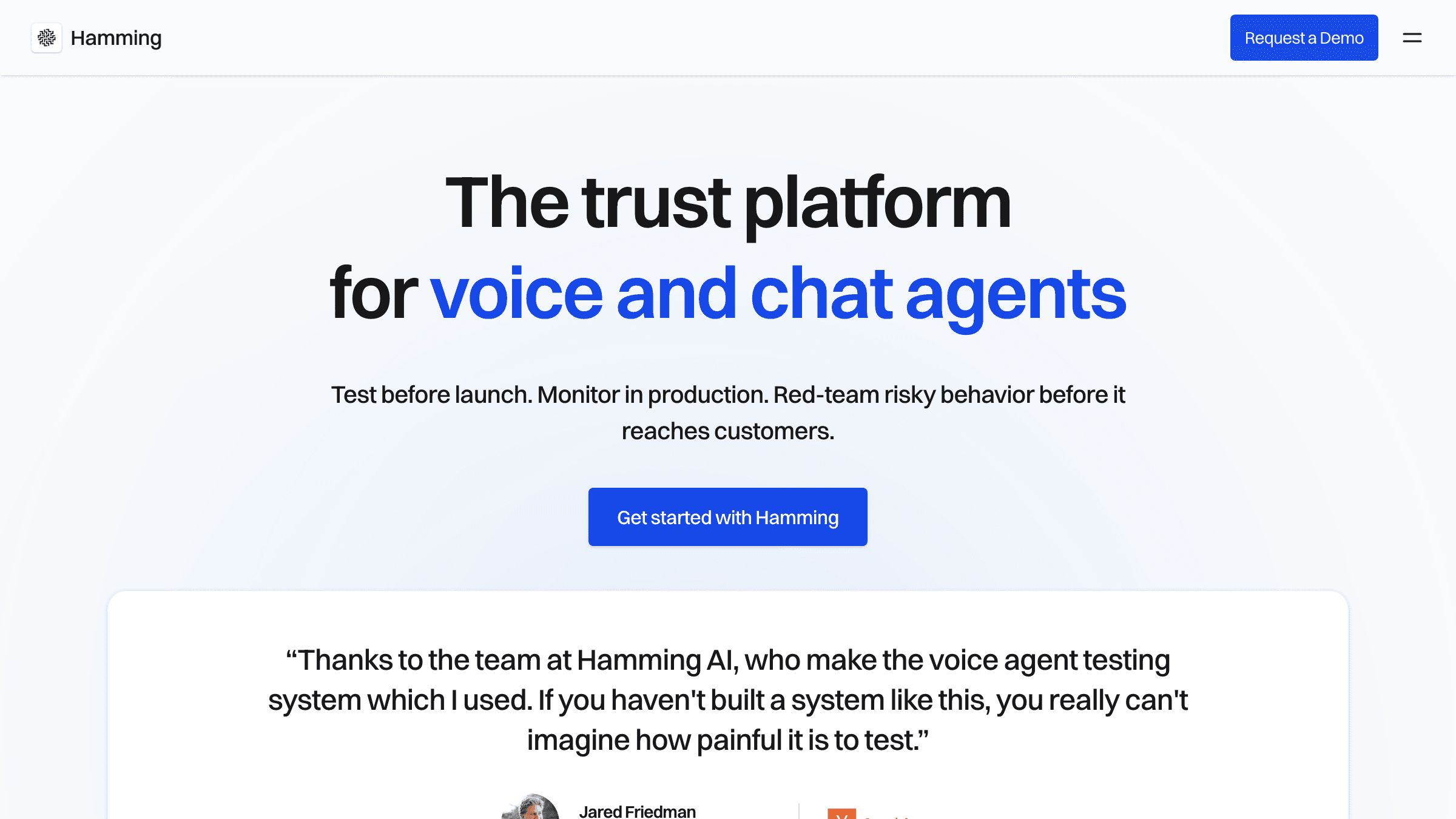
Voice agents are answering millions of real phone calls—about money, health, and claims. Hamming brings software-grade QA to them: it auto-generates thousands of adversarial test calls, runs them in parallel, and monitors every production conversation so teams catch failures before customers do.
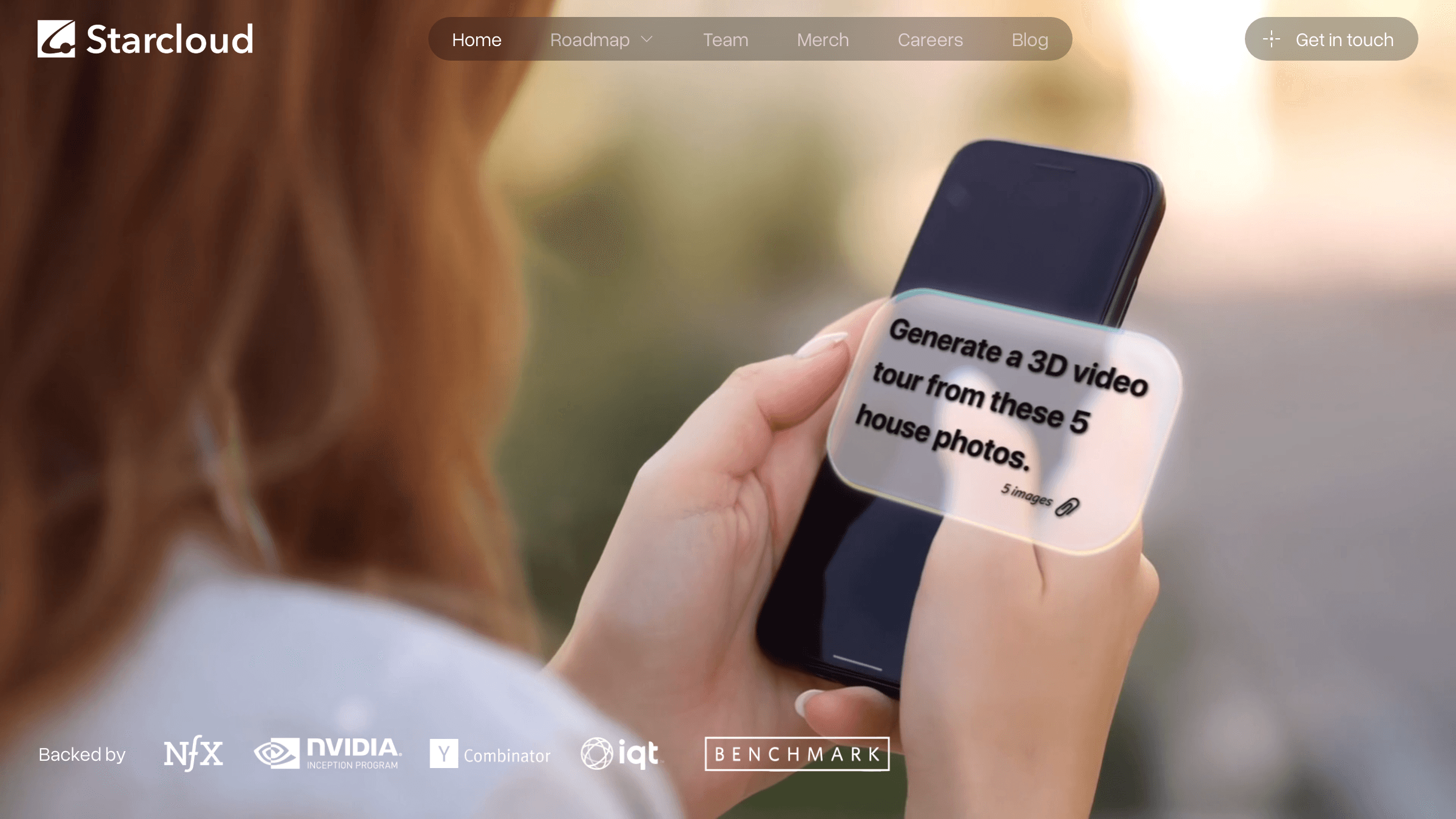
AI's real bottleneck isn't chips—it's power, cooling, and permits. Starcloud's bet is that the cheapest place to build the next generation of data centers isn't in Texas or Virginia. It's in orbit, where the sun never sets and cooling is free.
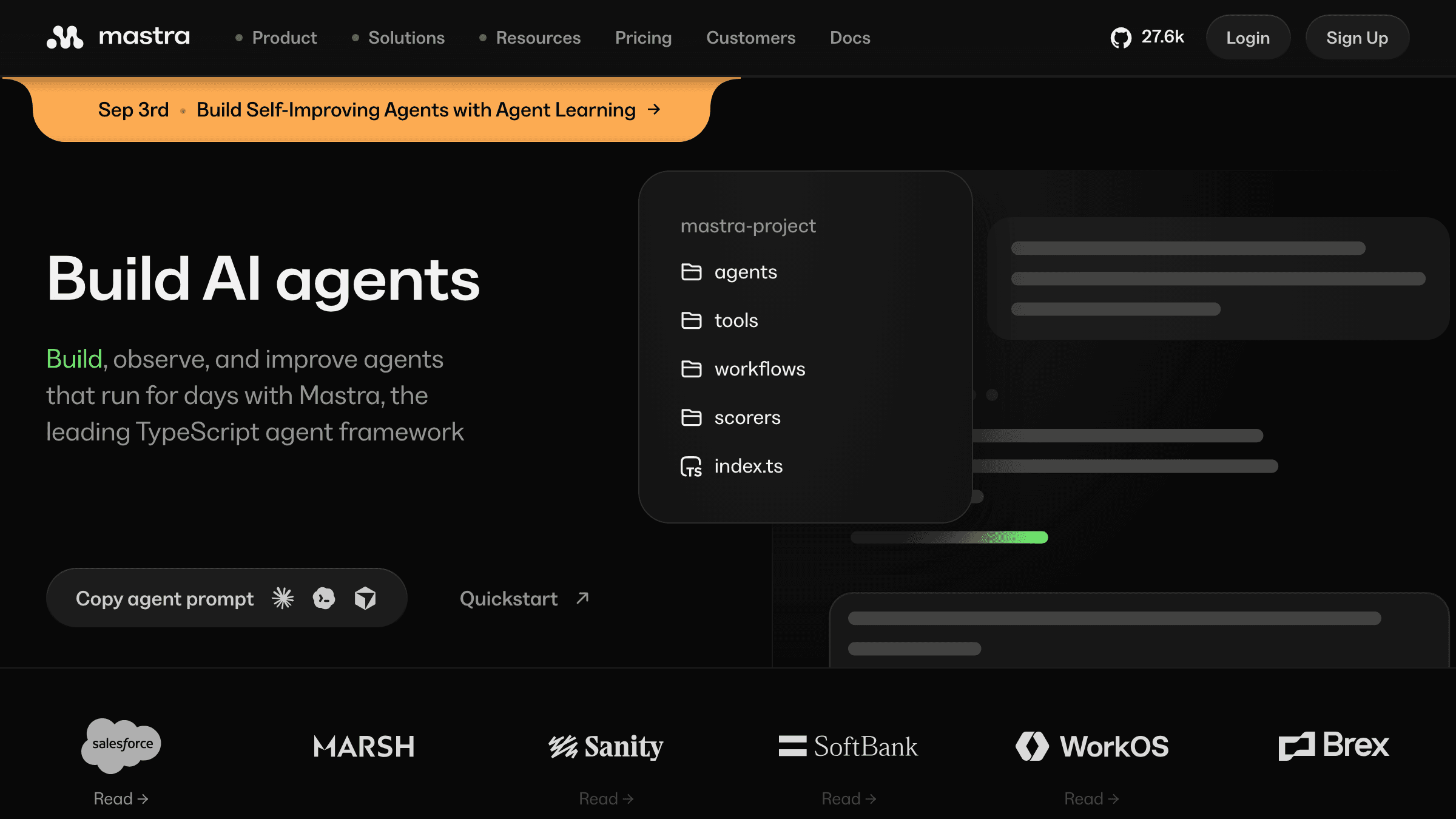
AI development has defaulted to Python, but most of the world's application developers write JavaScript. Mastra is the TypeScript framework for building AI agents—from the team that built Gatsby—and it's betting the next wave of AI apps gets built where the web already lives.
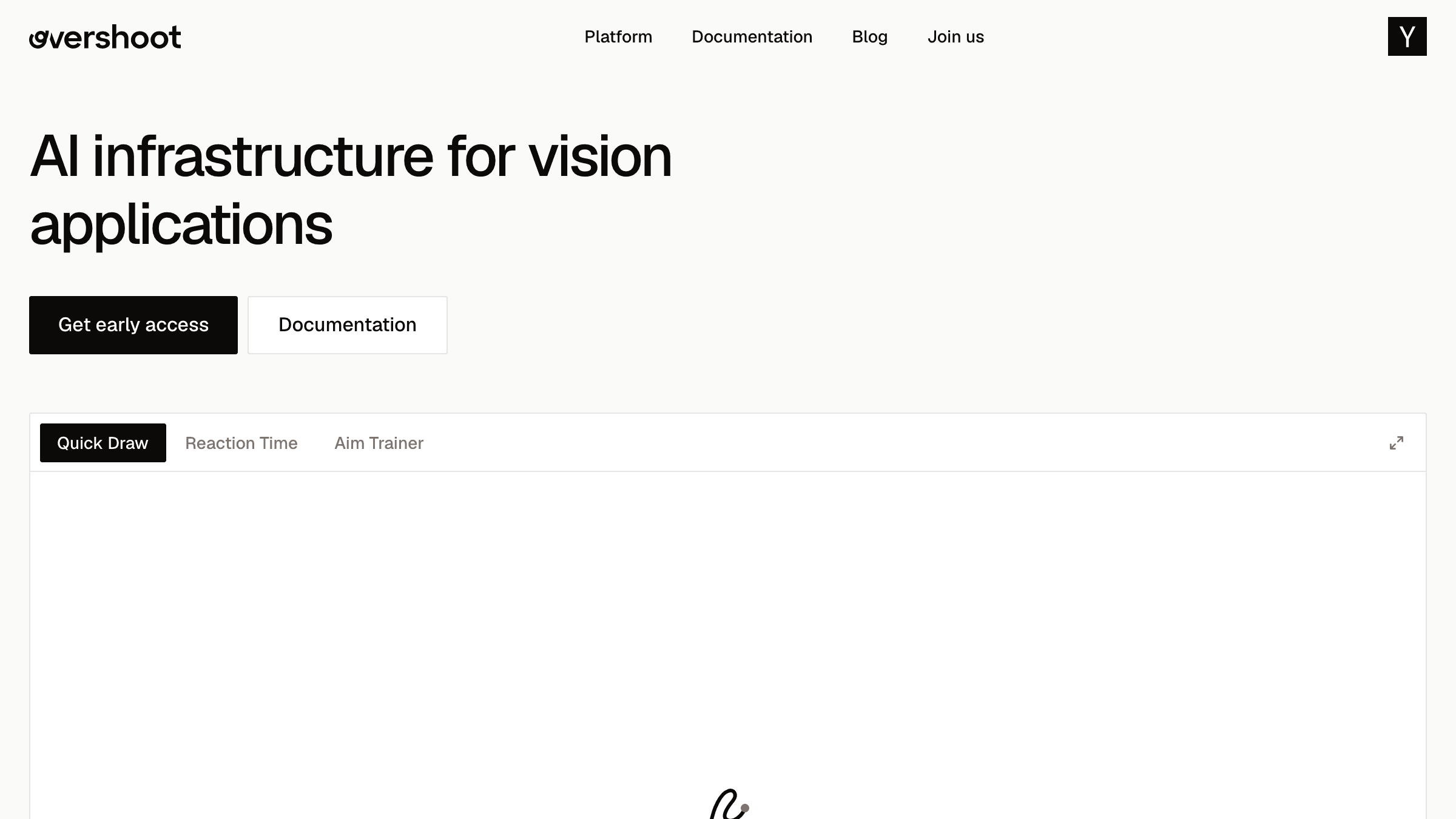
Vision language models can describe almost anything in an image. The catch is speed: by the time most of them answer, the moment has passed. Overshoot is building the infrastructure that lets developers run any VLM on live video and get answers in under 200 milliseconds—faster than human reaction time.
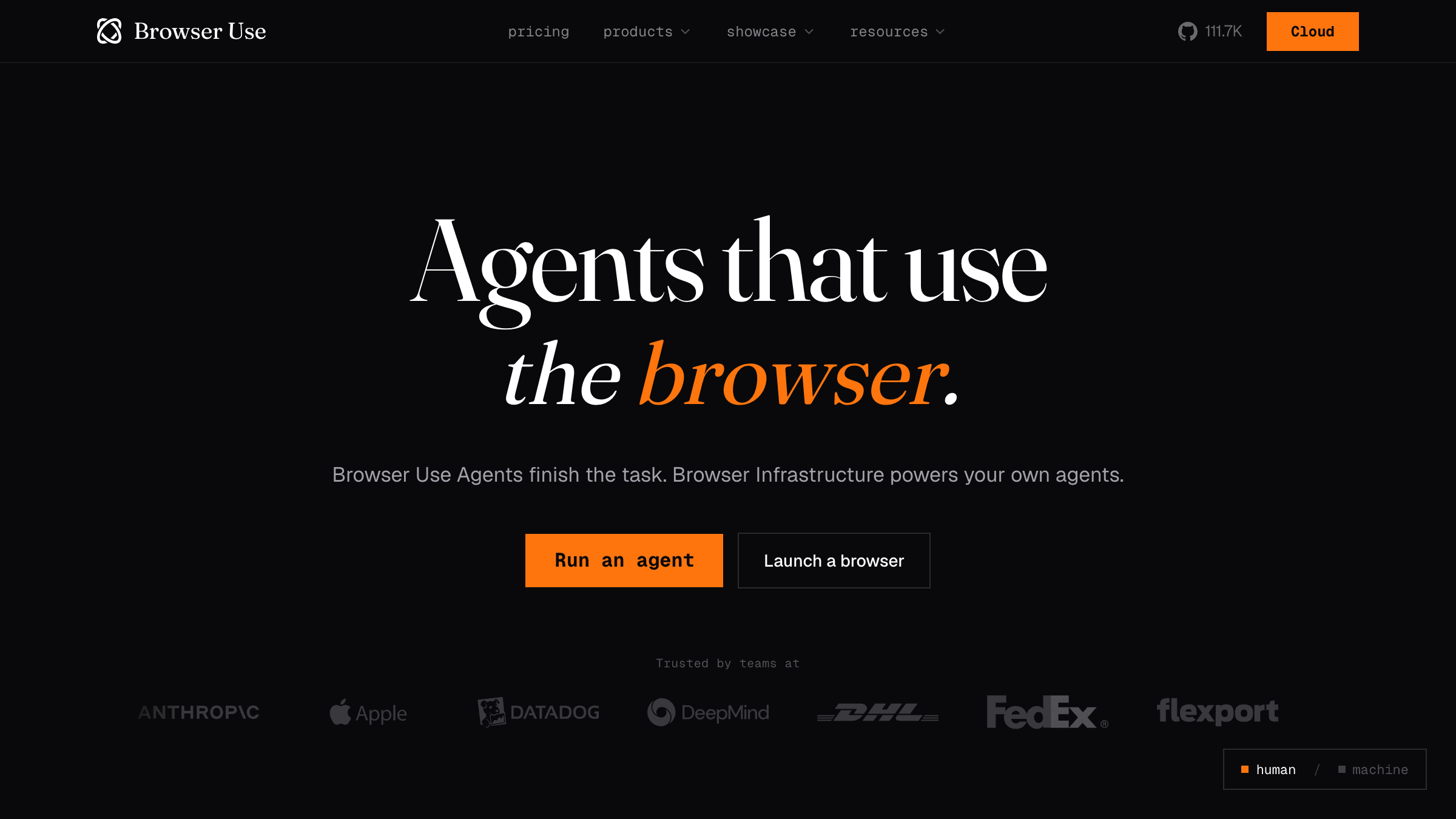
The web was built for human eyes and human hands, not for software that reasons. Browser Use gives AI agents a reliable way to see, understand, and act on any website—an open-source project that became foundational infrastructure almost overnight.
Traditional contract review costs thousands of dollars and takes days or weeks. General Legal pairs proprietary AI with US-barred attorneys to deliver Biglaw-quality work at a flat fee, with a median first turnaround under three hours.
Frontier AI has run out of internet to read. The next generation of models—voice, robotics, video—needs data the public web doesn't have, collected with consent and clean provenance. Luel is building the marketplace to supply it.
Deepfakes are cheap, bots are convincing, and AI agents are transacting on their own. In that world, proving a real human is on the other end becomes foundational infrastructure. Didit is building it as a single, programmable API.
Most developers use one AI coding agent at a time. Superset lets you run 10 to 100+ in parallel on your local machine without conflicts. It's a quiet infrastructure shift that changes how software gets built.
AI agents that can browse the web are impressive. AI agents that can control an entire operating system are transformational. Cua is building the open-source framework to make that possible.
Financial services runs on complex software that AI agents can't navigate without specialized training data. Halluminate builds the sandbox environments and datasets that make computer use AI actually work in finance.
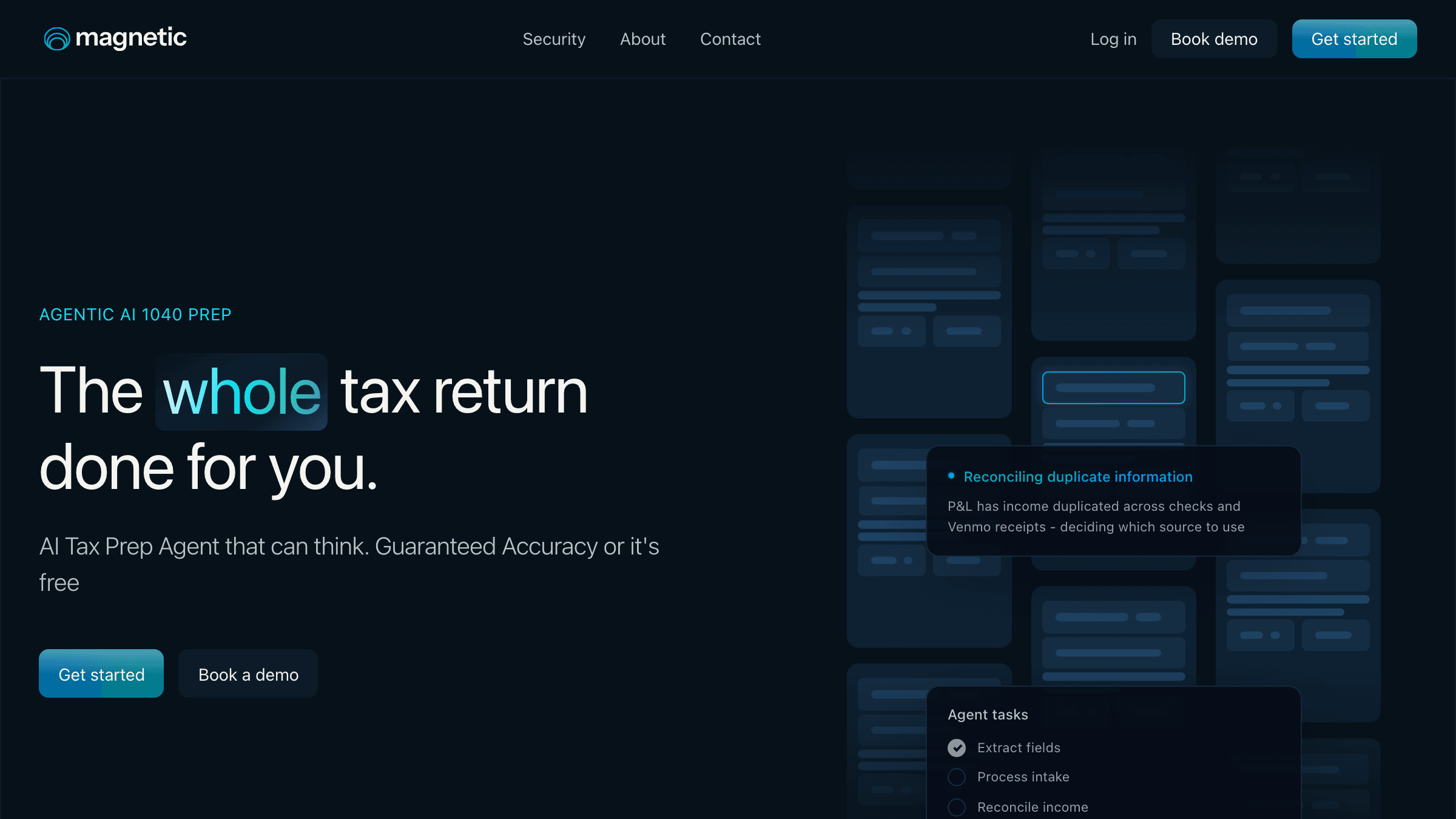
CPA firms are drowning in data entry while turning away clients they don't have capacity to serve. Magnetic Tax built an AI agent that scans documents and inputs data directly into legacy tax software with over 90% accuracy.
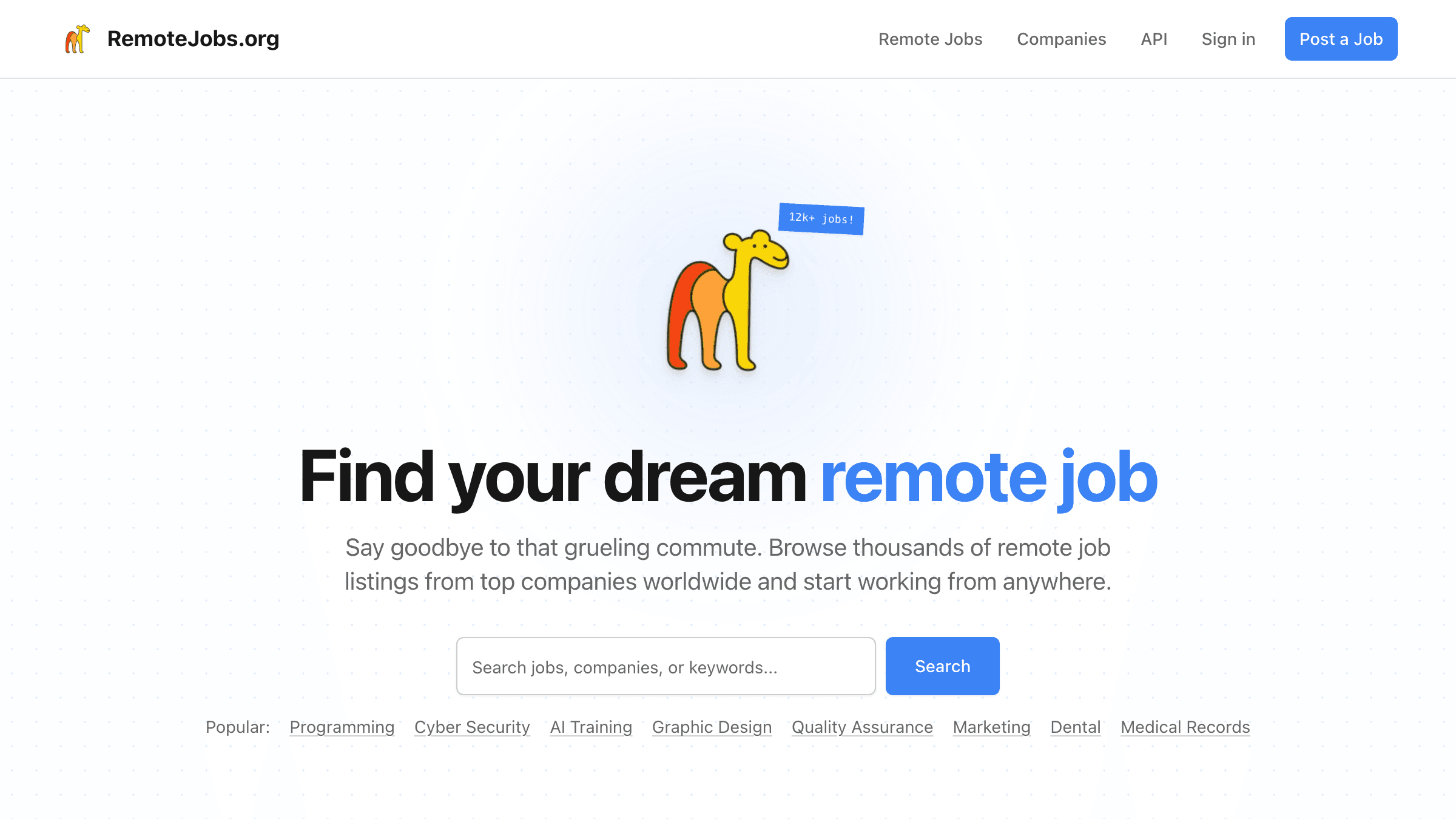
The return-to-office narrative dominates headlines, but the data tells a different story. Remote work is growing, and platforms like RemoteJobs.org are the infrastructure that makes it findable.
Y Combinator alumni no longer just build startups. They run funds, angel networks, and coordinated investing systems that increasingly shape the earliest rounds.
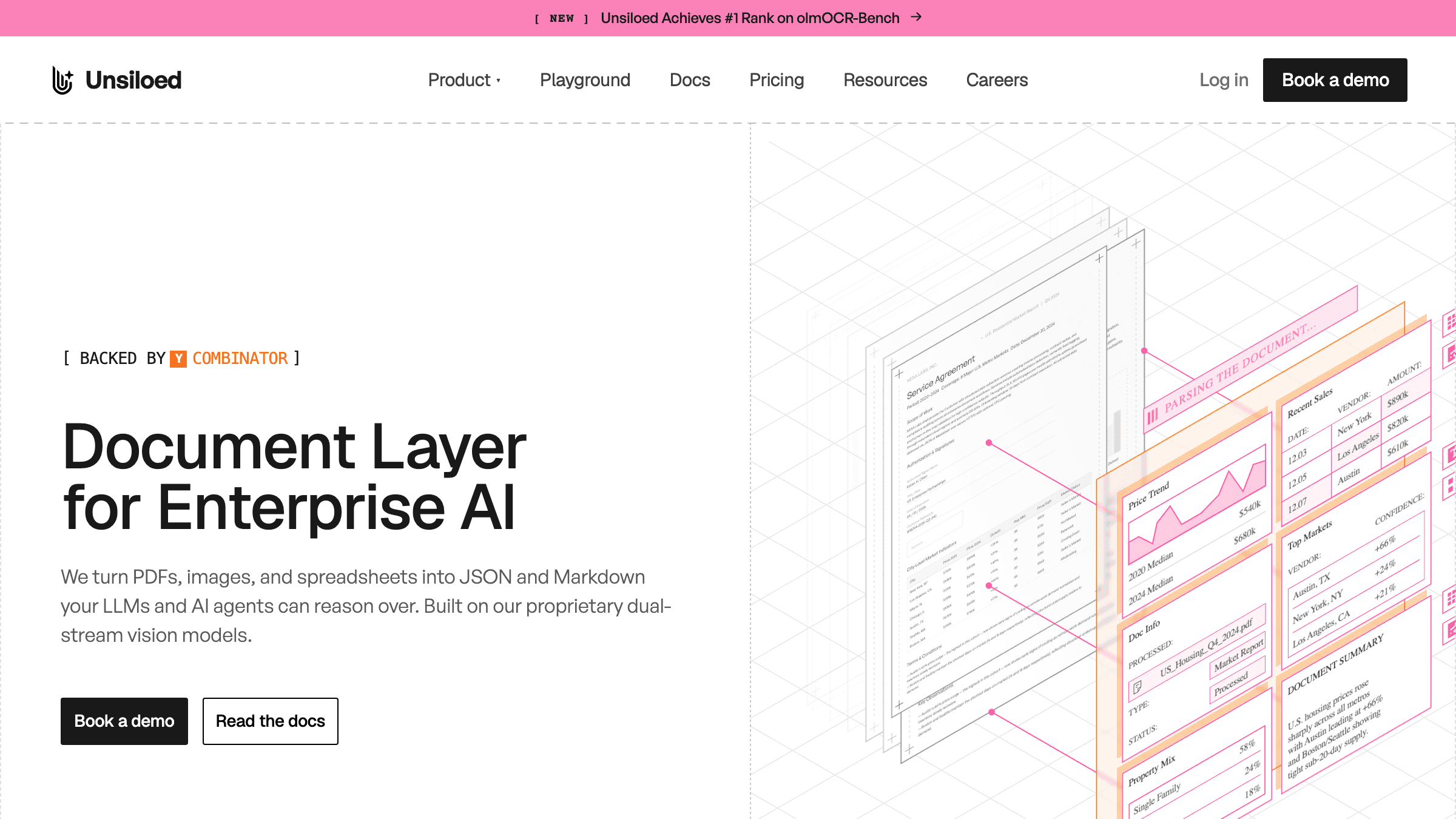
Most AI products do not fail because the model is weak. They fail because the model is forced to reason over messy, flattened data that has already lost its structure.
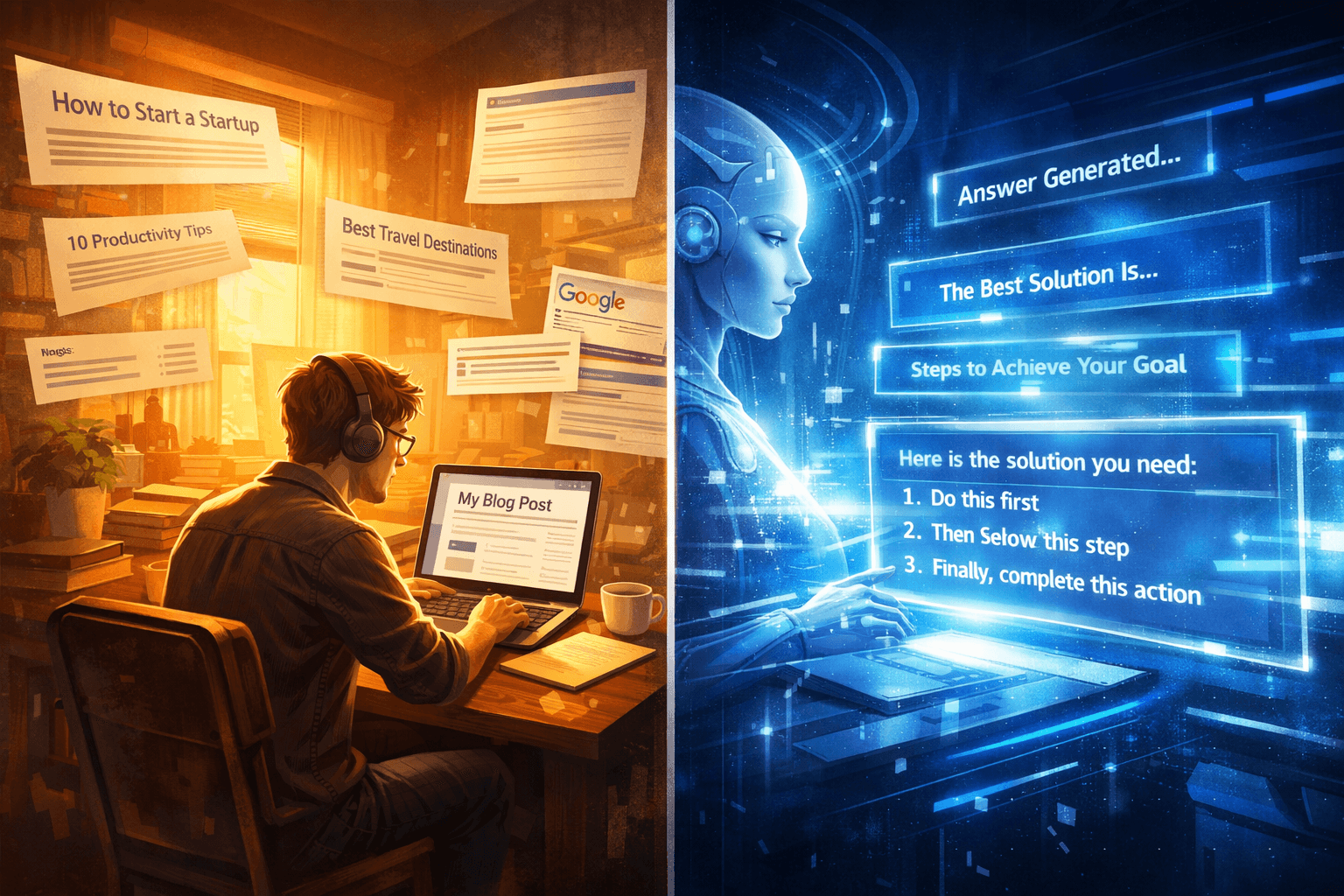
For twenty years, blog writing was one of the best ways to get attention on the internet. AI is changing the economics of content in ways that make people wonder if that era is ending.
Subscriptions were always a little artificial. AI is forcing software companies back to an older, more honest idea: charging people for what they actually use.
For twenty-five years the web ran on blurbs that invited curiosity. Now it runs on summaries that satisfy curiosity immediately. The click is disappearing—and that changes everything.
Credentialing delays cost hospitals up to $100,000 per doctor per month. Harbera is betting that AI browser agents can automate the entire workflow—and redefine a category in the process.